Season of Creation
2026
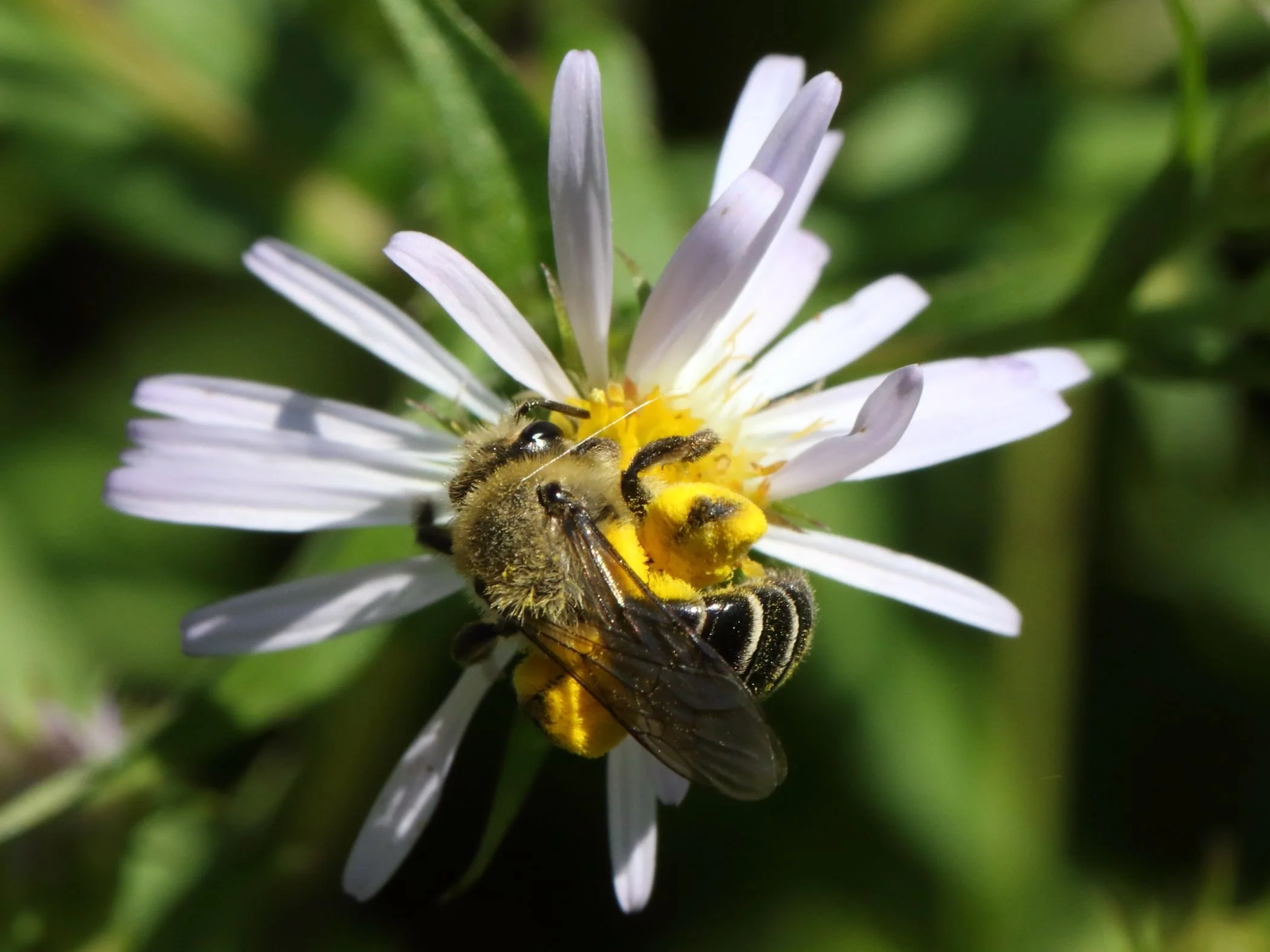
Aster Mining Bee
The Aster mining bee, which is about the size of a honey bee, is found in the Northeastern United States and in Ontario and Quebec, Canada.
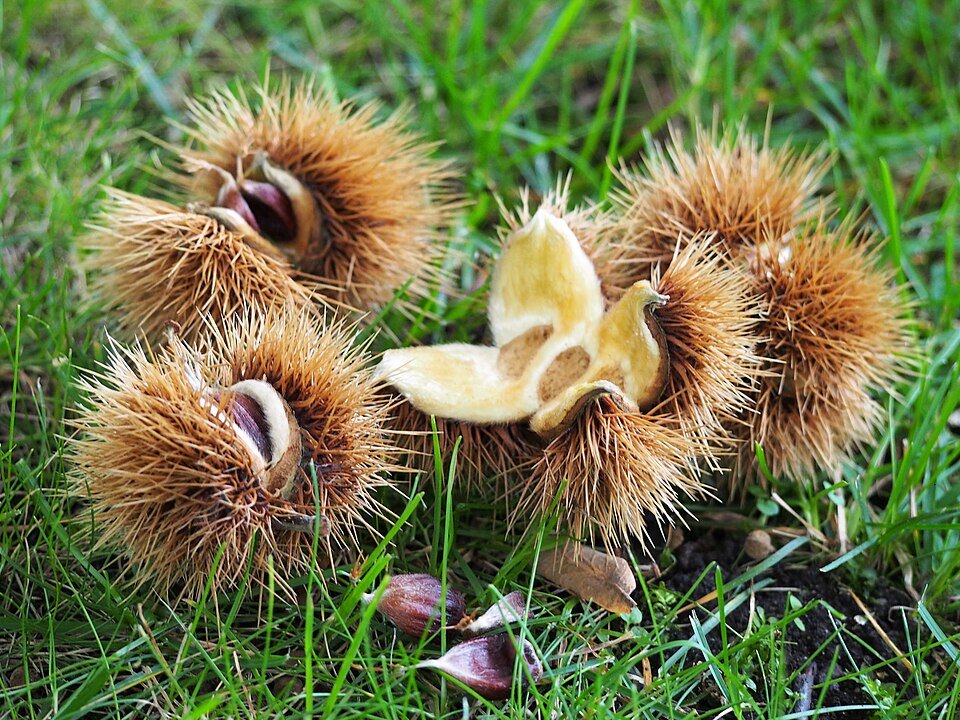
American Chestnut
The American chestnut is a fast‑growing tree native to eastern North America that produces edible nuts.
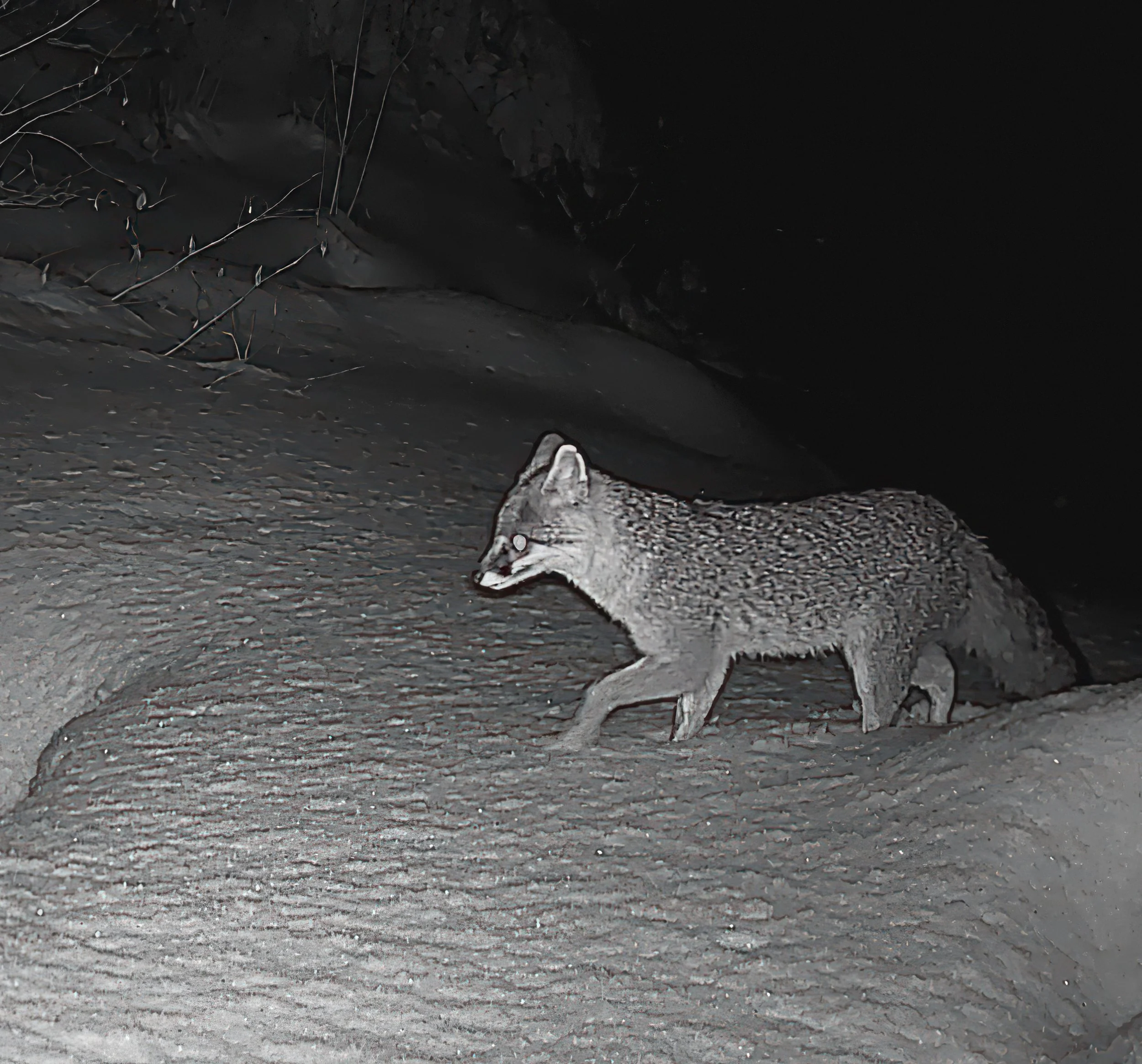
Gray Fox
The gray fox is a small, agile, omnivorous mammal that can be found from southern Canada to northern Venezuela (South America).
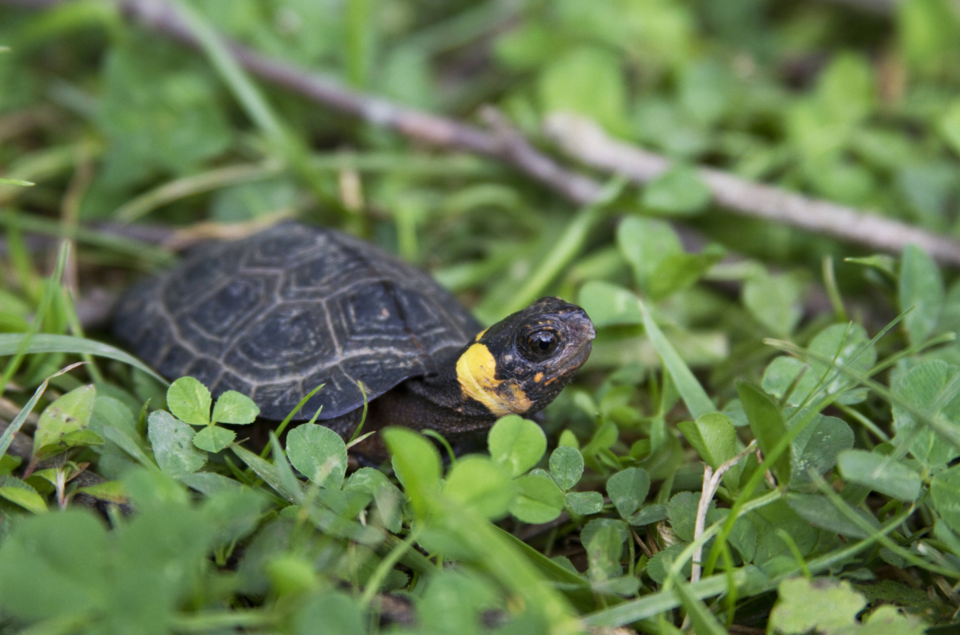
Bog Turtle
Bog Turtles are the smallest turtles in Connecticut. Adults reach no more than 4.5 inches long.
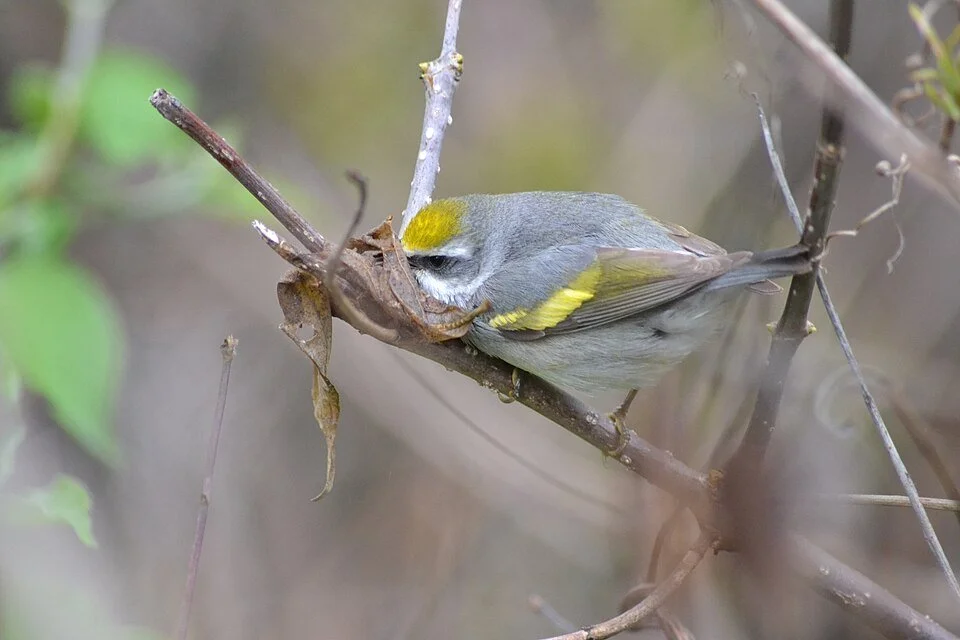
Golden-Winged Warbler
The Golden-Winged Warbler is a warbler with a color pattern all its own. They are slim, silvery-gray birds with golden flashes on their heads and wings.
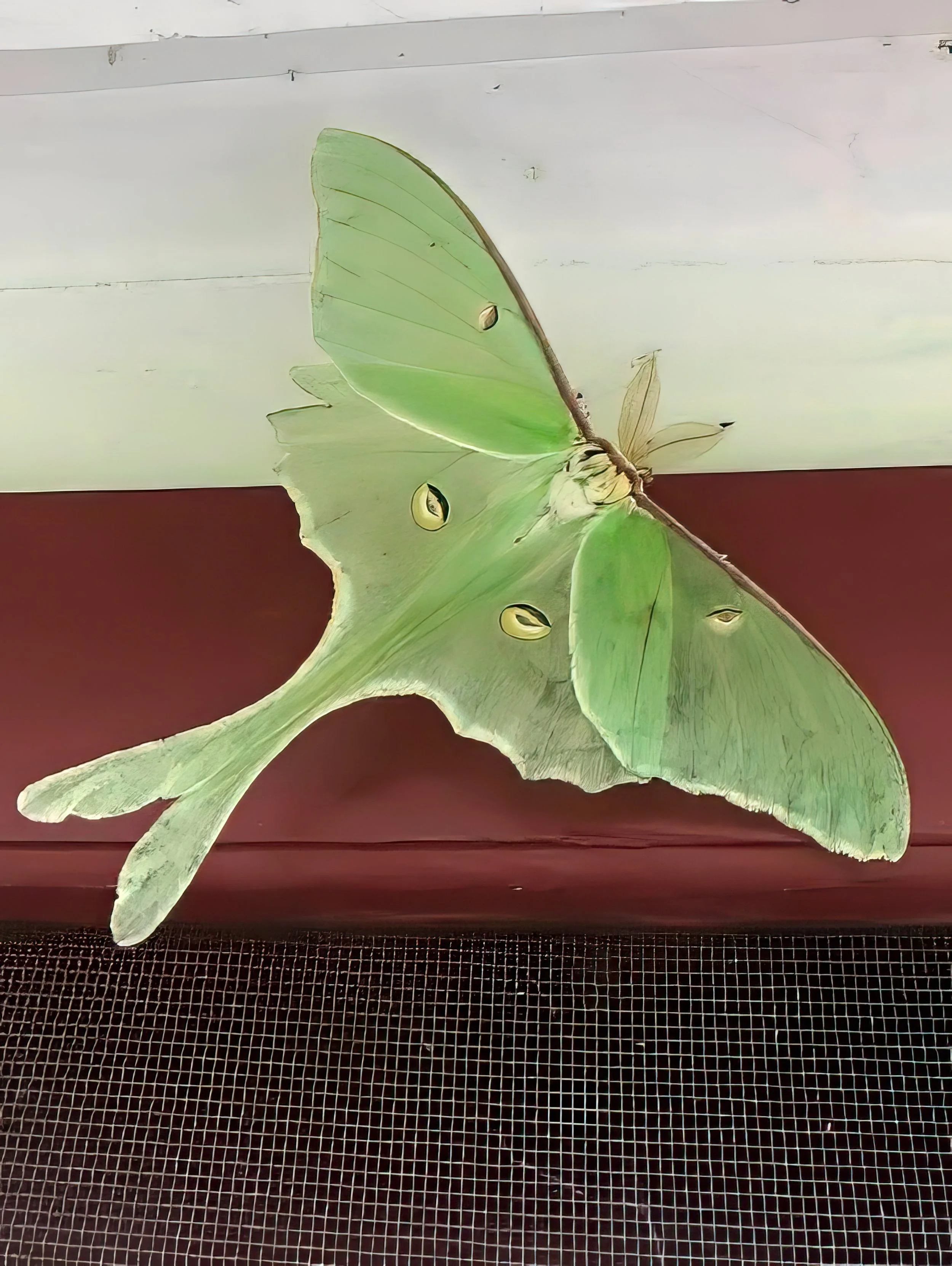
Luna Moth
The luna moth is a large and dramatic moth of North America. It has pale green wings with multi-colored eyespots, and a dark maroon stripe along the leading edge of its upper wings.
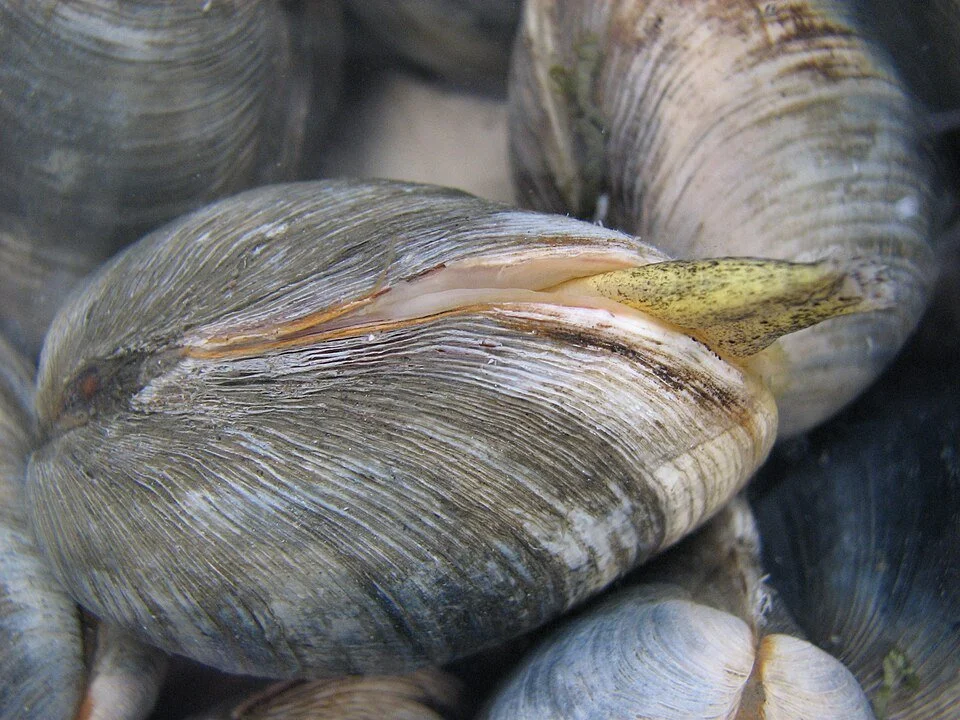
Quahog
These clams provide a source of food, ordered off menus as littlenecks, topnecks, and clam chowder. But they were also used by the Native people of this place as an important cultural item.
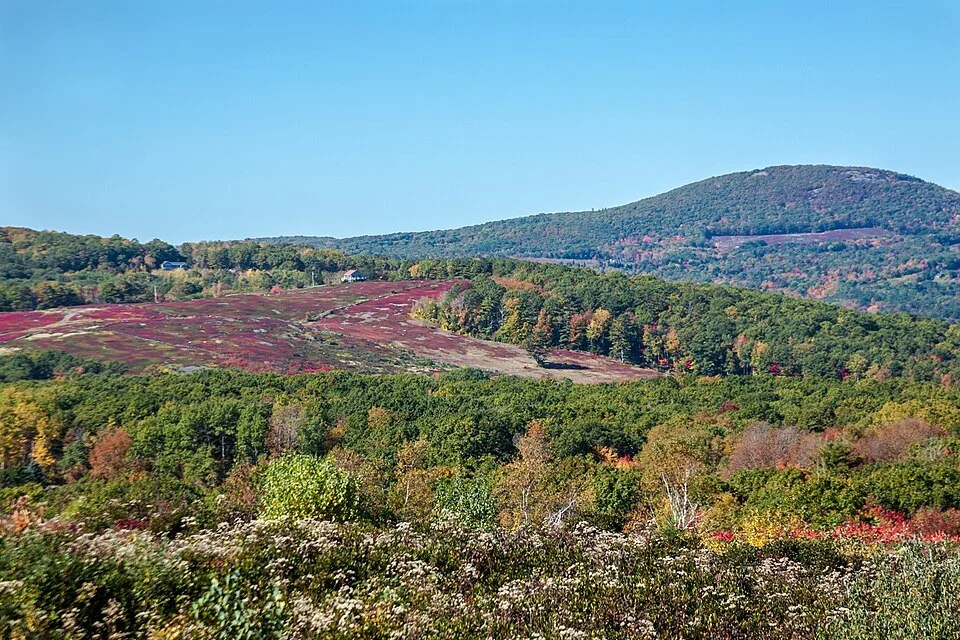
Low-bush Blueberry
The wild blueberry is the fruit of this abundant, low growing, variable shrub, prevalent throughout the Northeast. It is truly an amazing species.
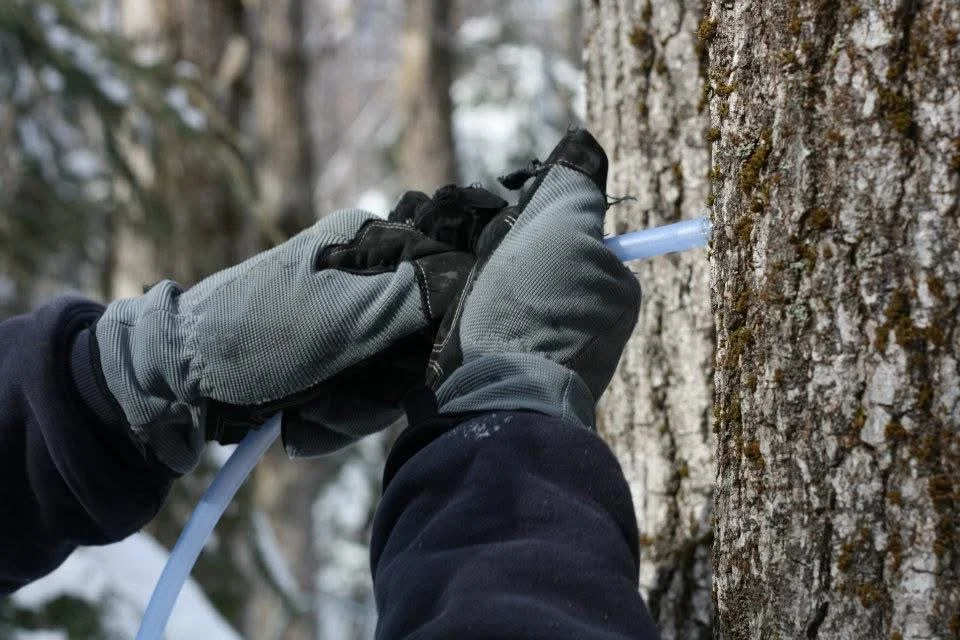
Sugar Maple
The sugar maple (Acer saccharum) is one of the defining trees of northeastern North America, thriving in rich hardwood forests from the Great Lakes through New England and into Eastern Canada.
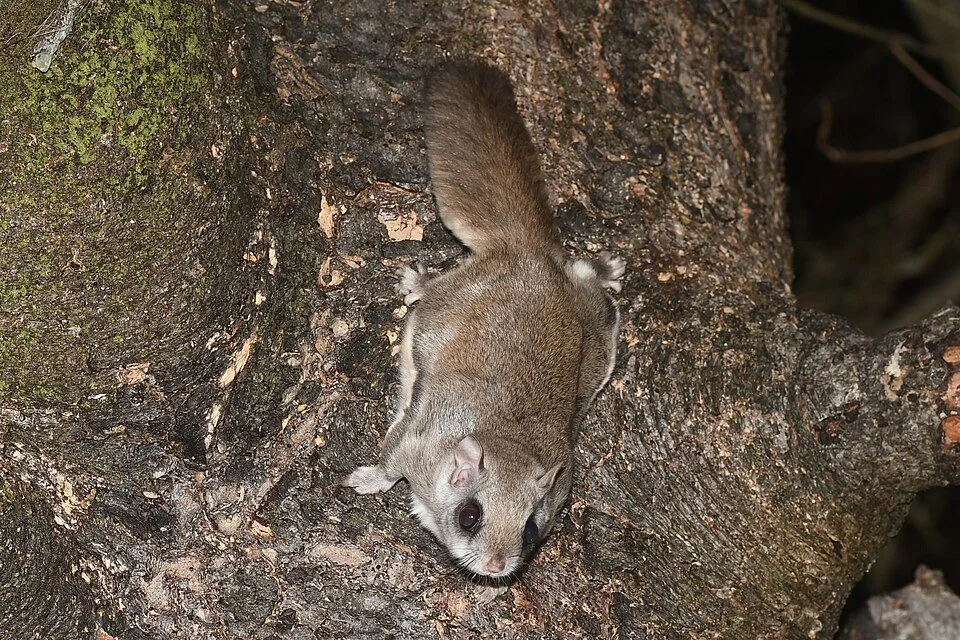
Northern Flying Squirrel
Northern Flying Squirrels, also known as Glaucomys Sabrinus, is one of three members of its species, with a range from Canada to North Carolina and west to Utah.
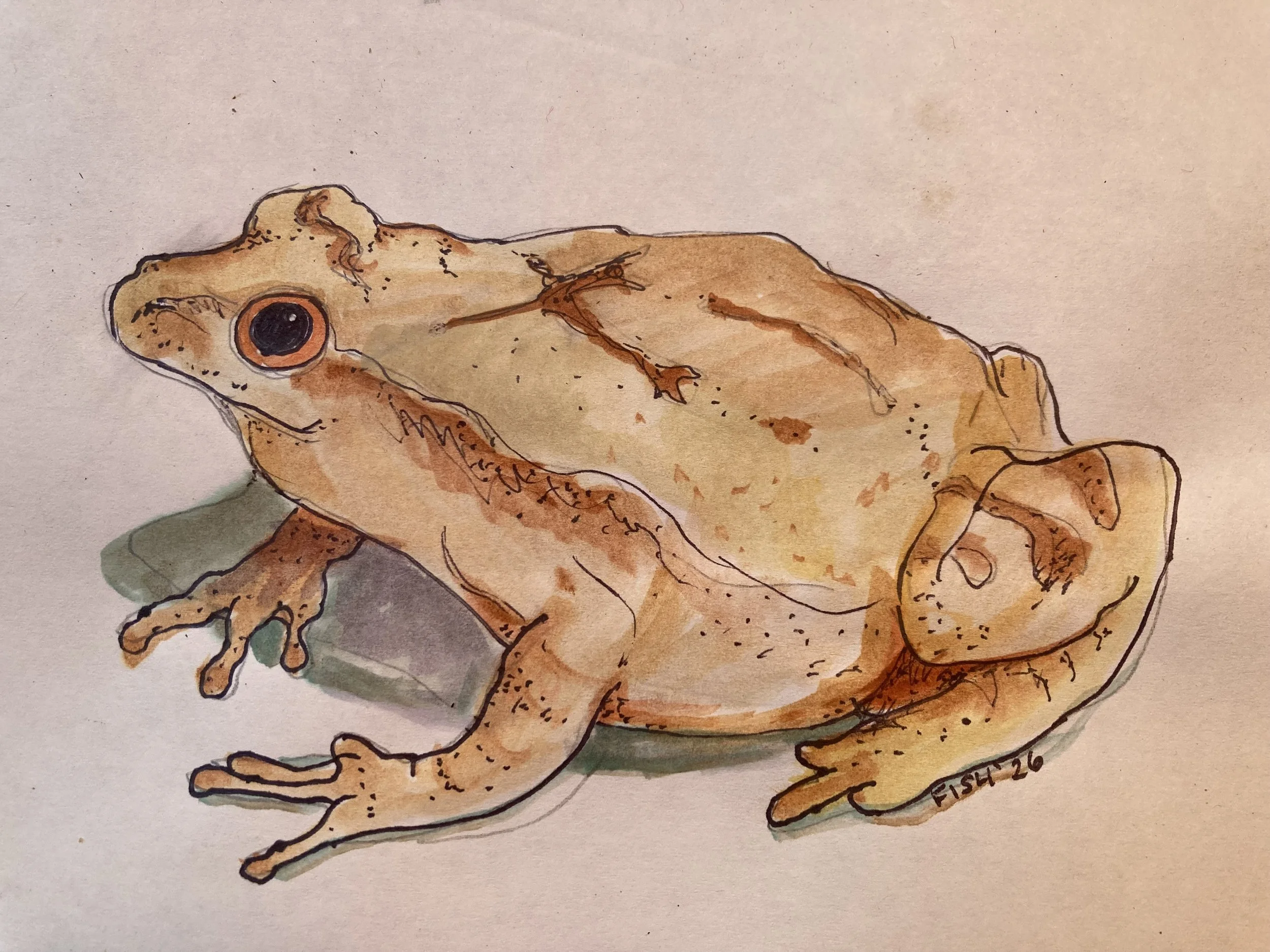
Spring Peepers
They are cute little frogs about an inch long that announce the end of winter. Only males peep and females are attracted by the peeping.
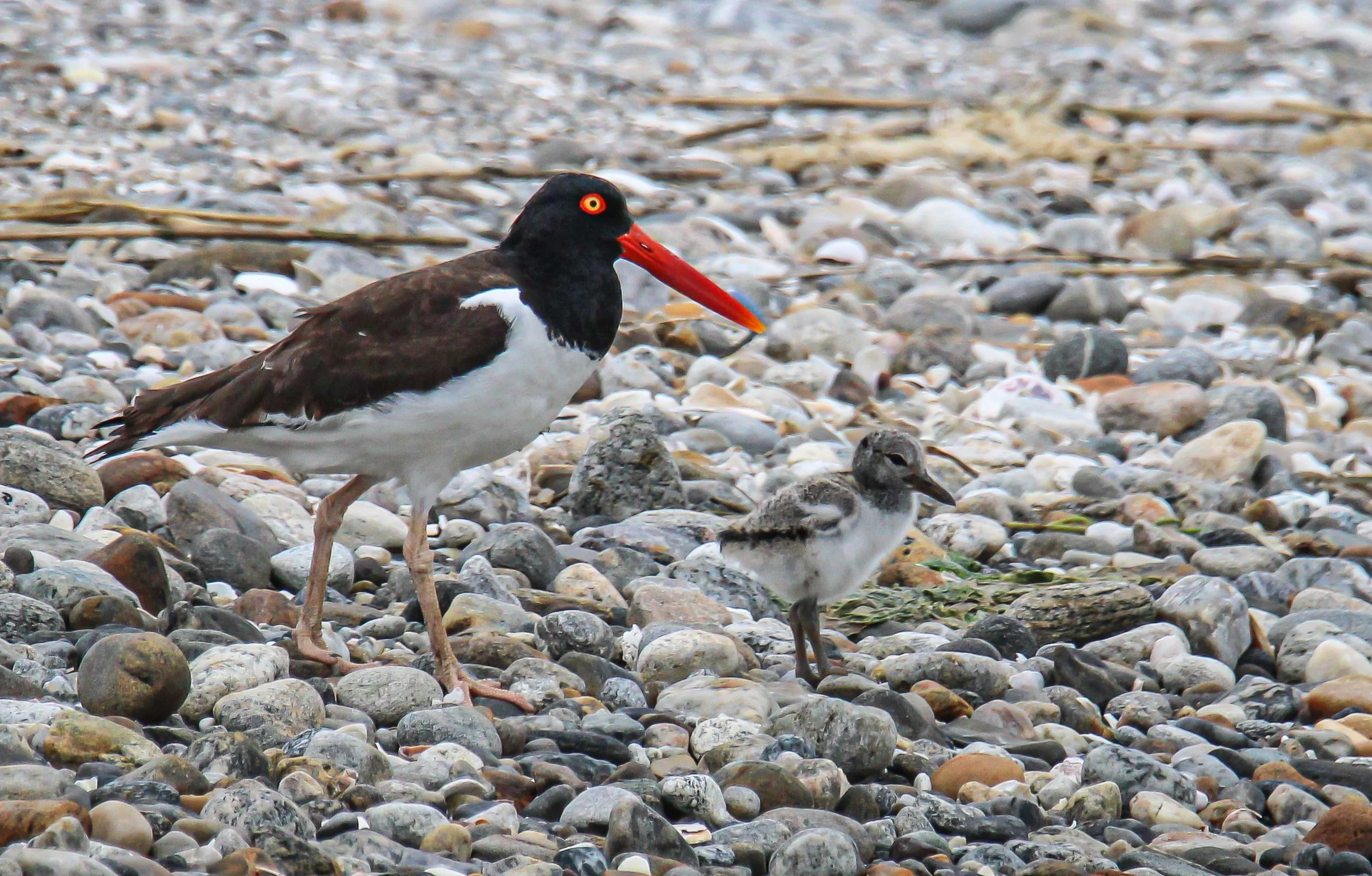
American Oystercatchers
American oystercatchers are large, eye-catching shorebirds, with long, slender, bright orange bills, red-ringed yellow eyes, spindly pink legs, black heads, dark brown sides, and white chests.
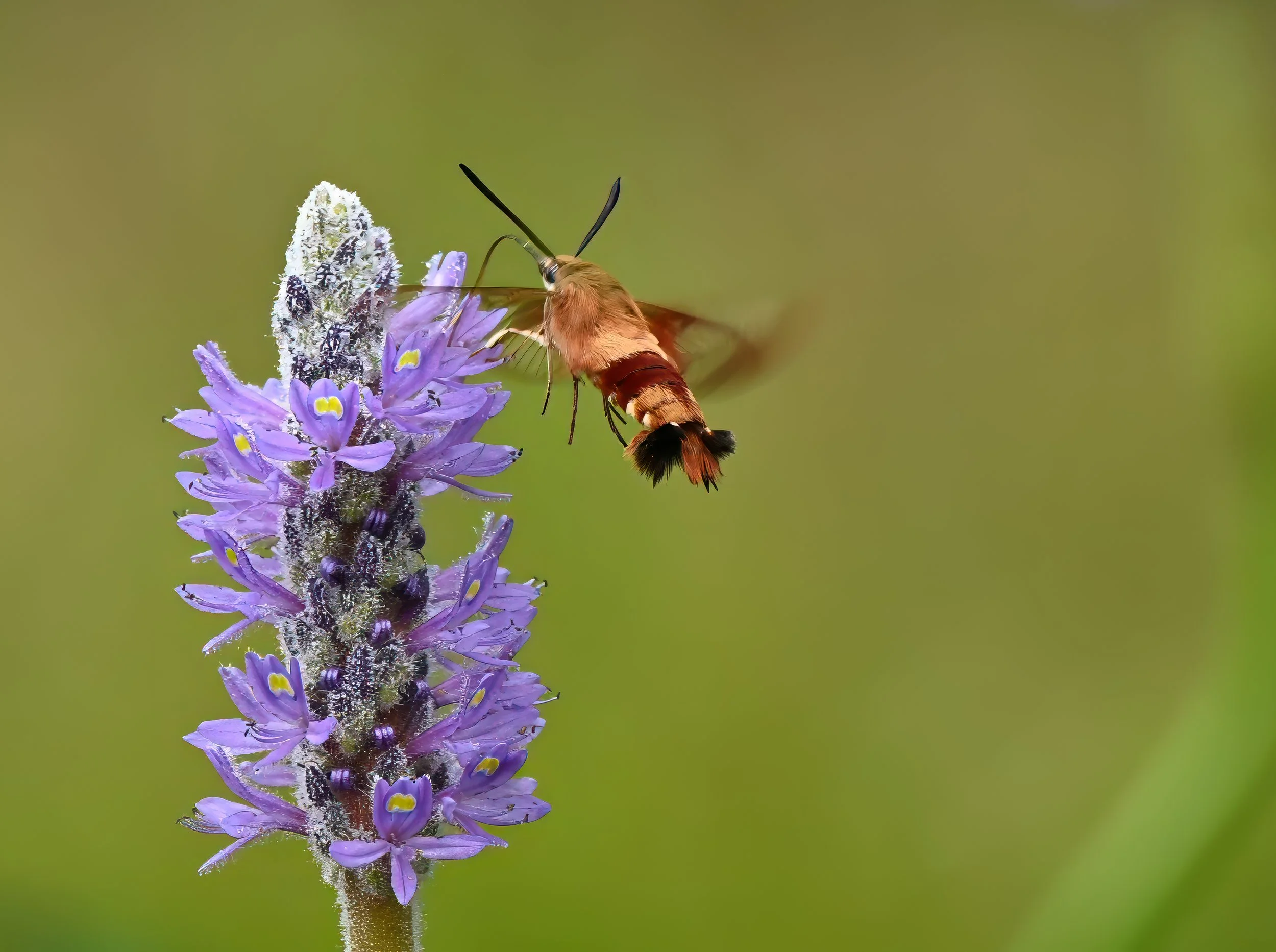
Hummingbird Moth
Hummingbird moths are members of the sphynx, or hawk moth family. They are diurnal nectar eaters and important pollinators.
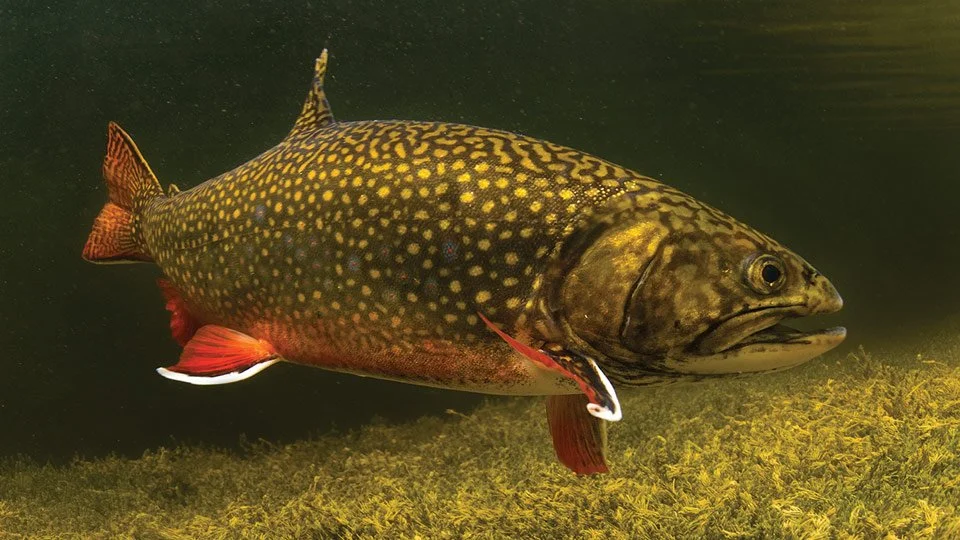
Brook Trout
Brook trout, Salvelinus fontinalis, are the only trout native to the eastern U.S. Brookies are part of the salmonid family, including salmon and char.
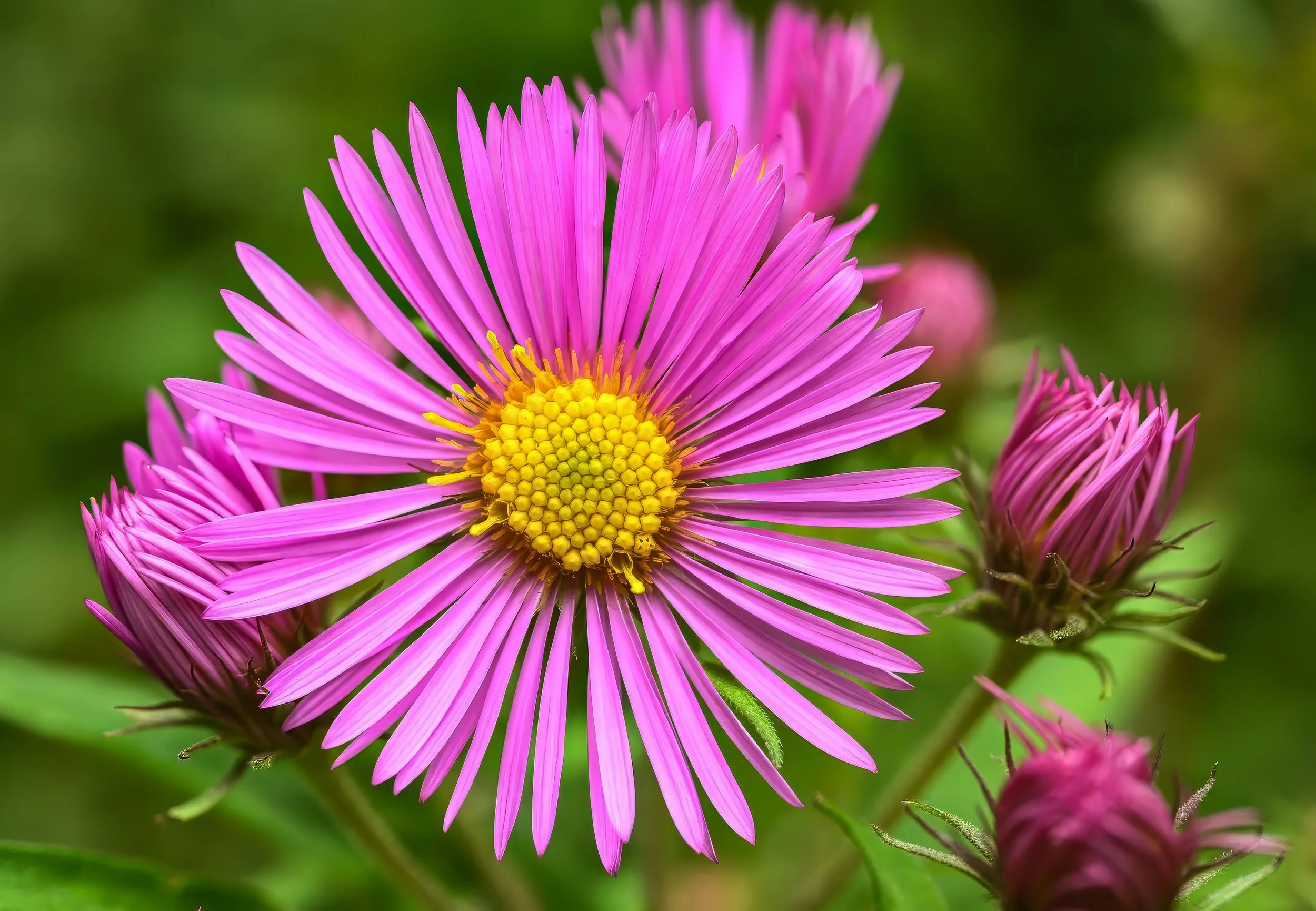
New England Aster
The New England aster is a hub species, being visited by and supporting an extremely high number of critter types -- insect, bird, and mammal.
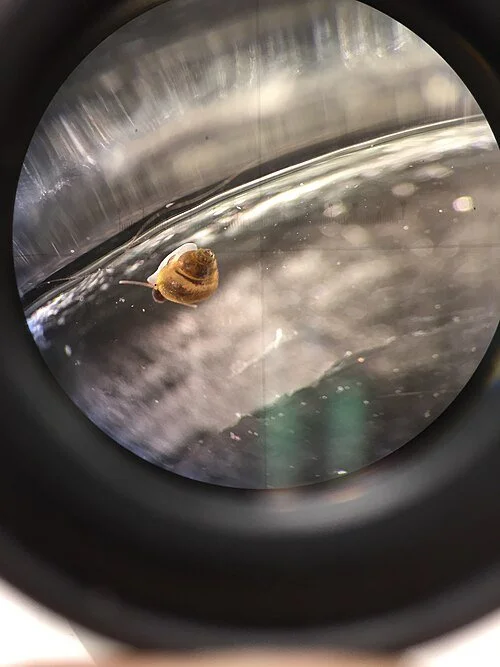
New England Silt Snail
The Widow Skimmer is a dragonfly commonly found perched on vegetation or patrolling in flight over the waters of wetlands and lake edges, or even slow moving streams.
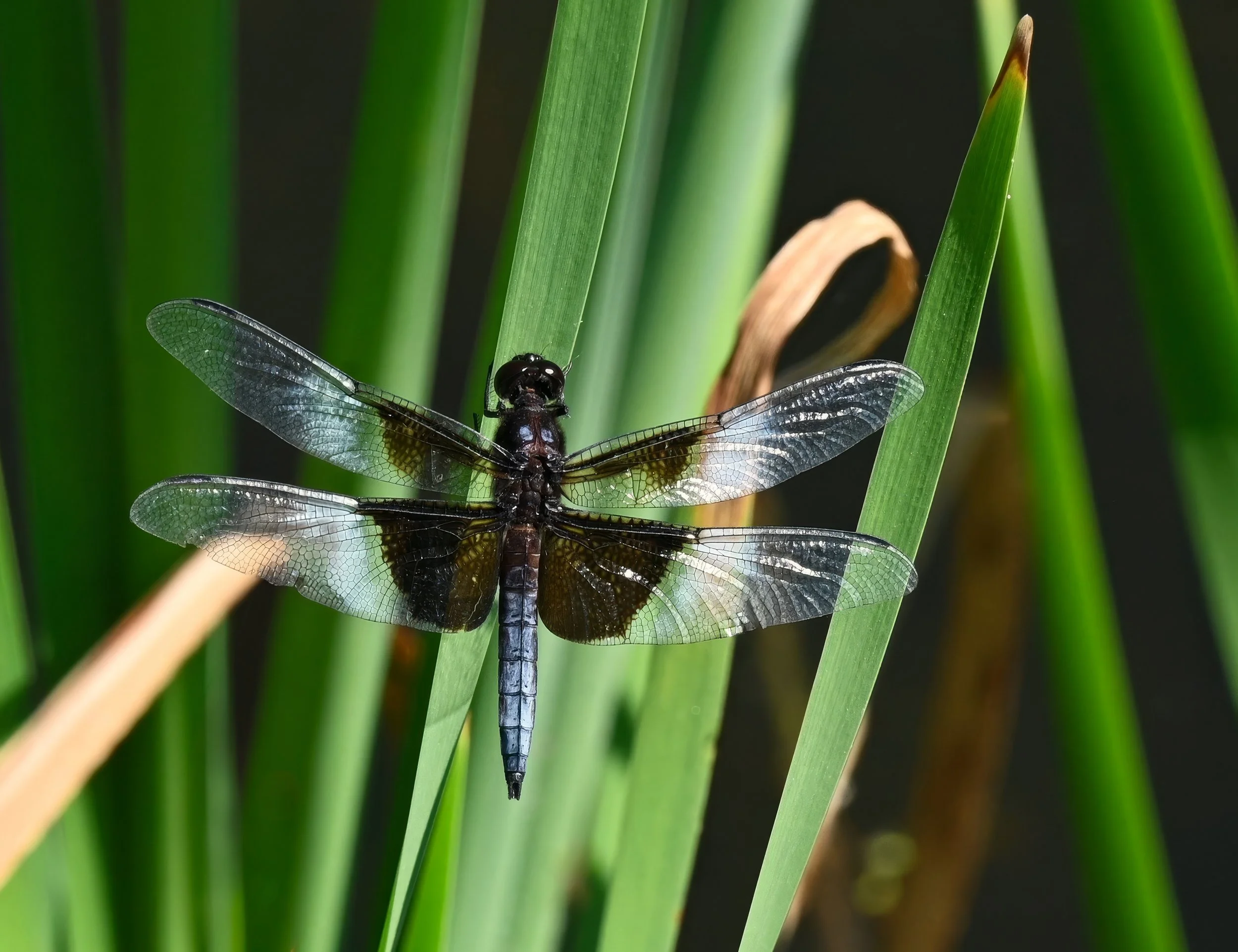
Widow Skimmer
The Widow Skimmer is a dragonfly commonly found perched on vegetation or patrolling in flight over the waters of wetlands and lake edges, or even slow moving streams.
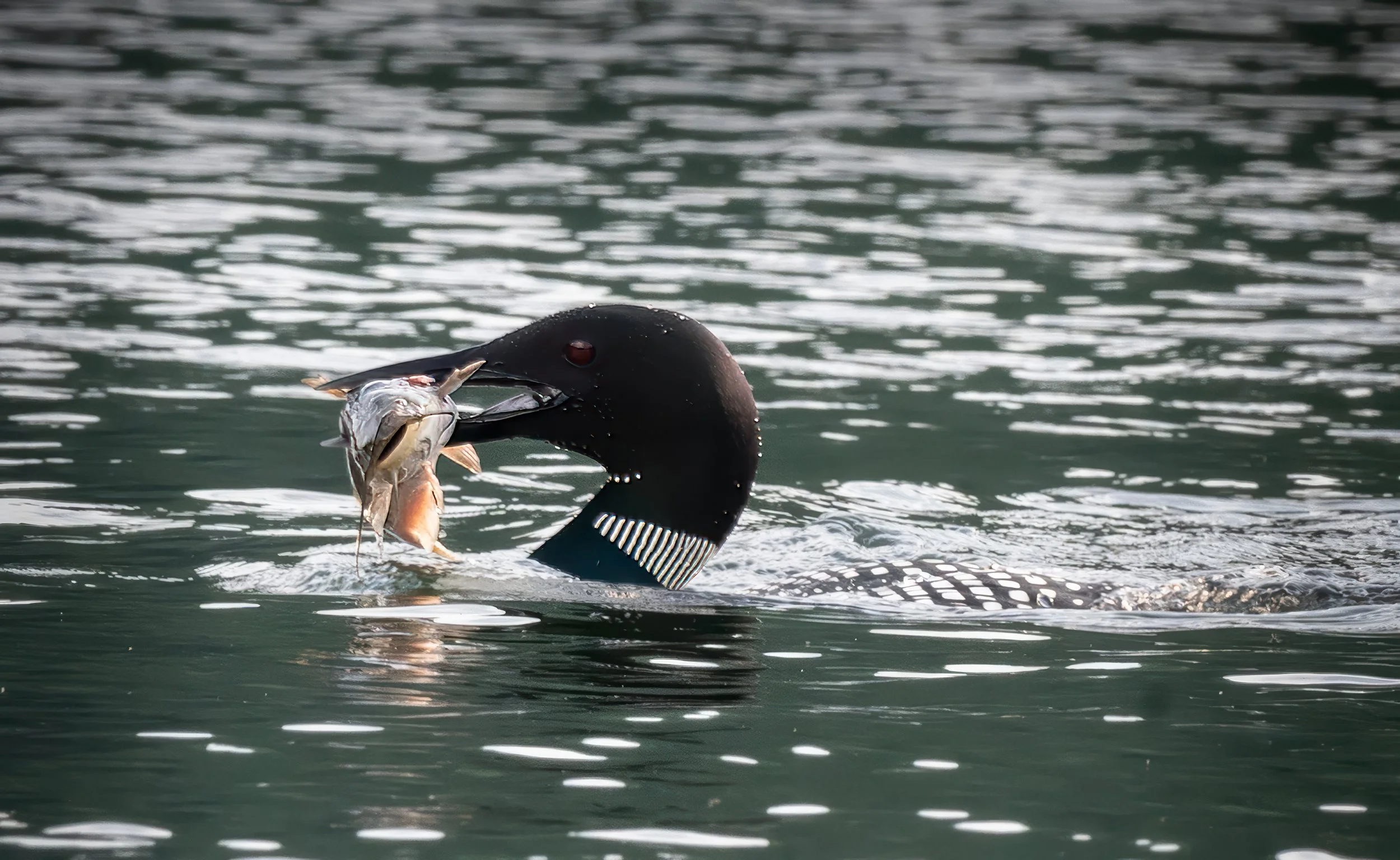
Common Loon
The common loon is perhaps best known for its distinctive calls, which scientists have classified into 4 types – yodels, hoots, tremolos and wails – each with different purposes.
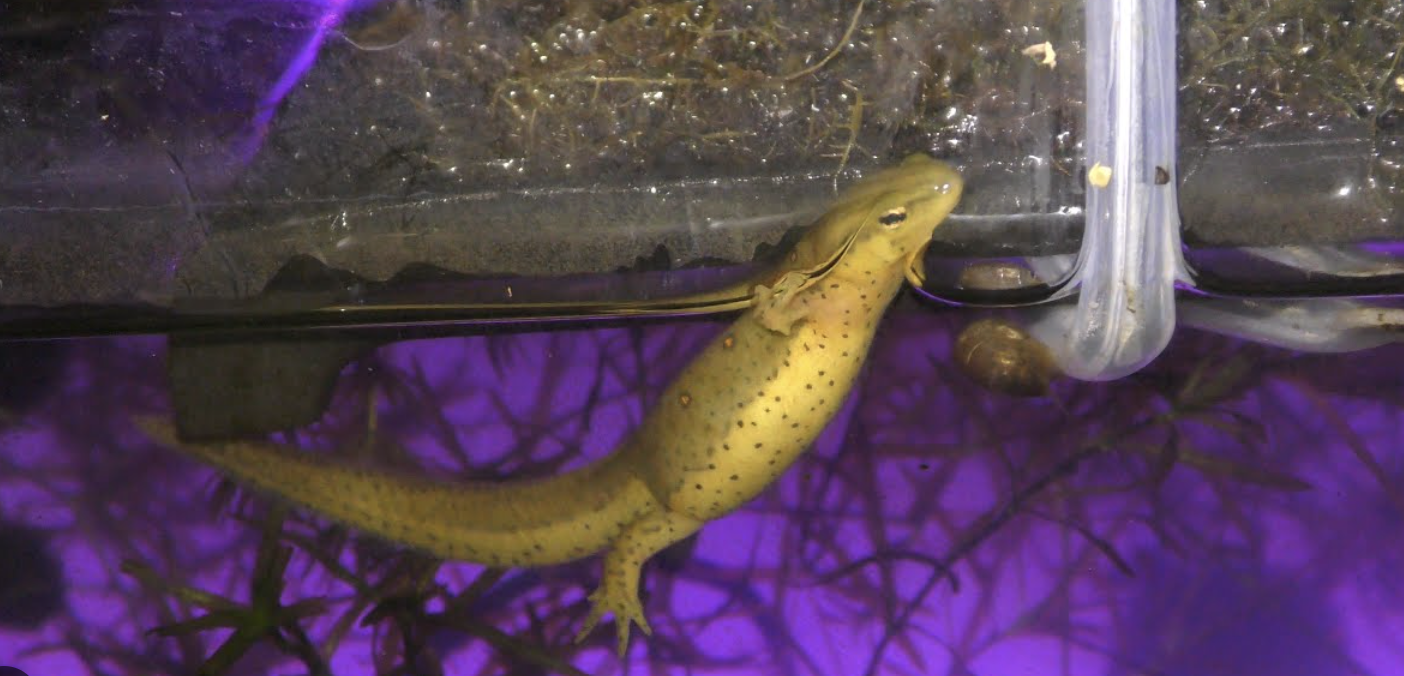
Eastern Newt
Eastern newts are native to the U.S. The bright orange salamanders you see sneaking under leaves are in their second stage of life called eft. They start out emerging from eggs attached to water plants in ponds and bogs. In this first stage of life, called aquatic larvae, they have gills.
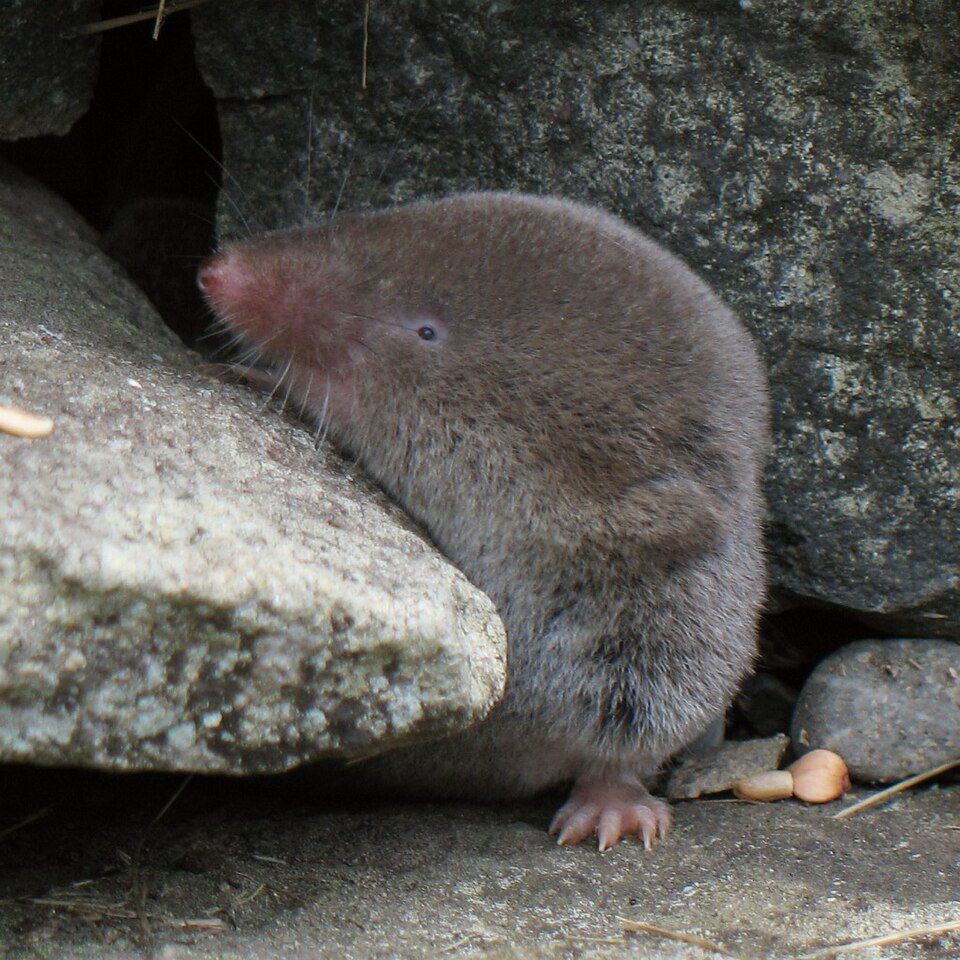
Northern Short-Tailed Shrew
The Northern Short-Tailed Shrew ranges from the Great Lakes to the Atlantic, spending a short, frenetic life underground or in leaf litter, foraging for food in frantic bursts, then sleeping much of the day, though not hibernating.
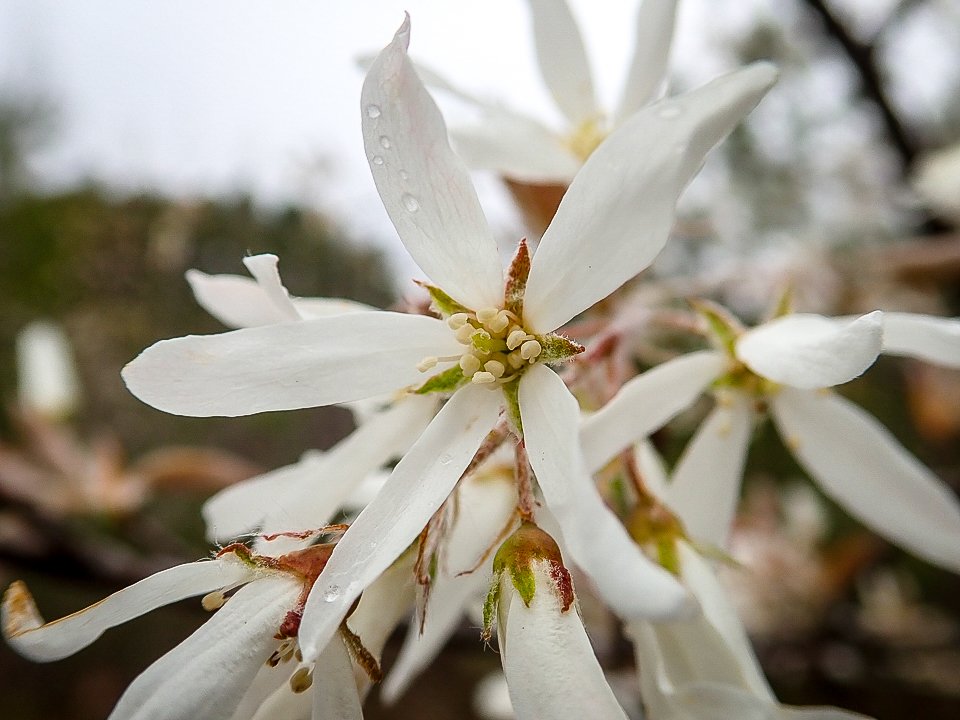
Serviceberry Tree
Serviceberry, Amelanchier Arborea, is also known as Juneberry, Shadbush among many other names. This is a small North American native tree that grows between 20 and 25 feet tall and 6 feet wide.
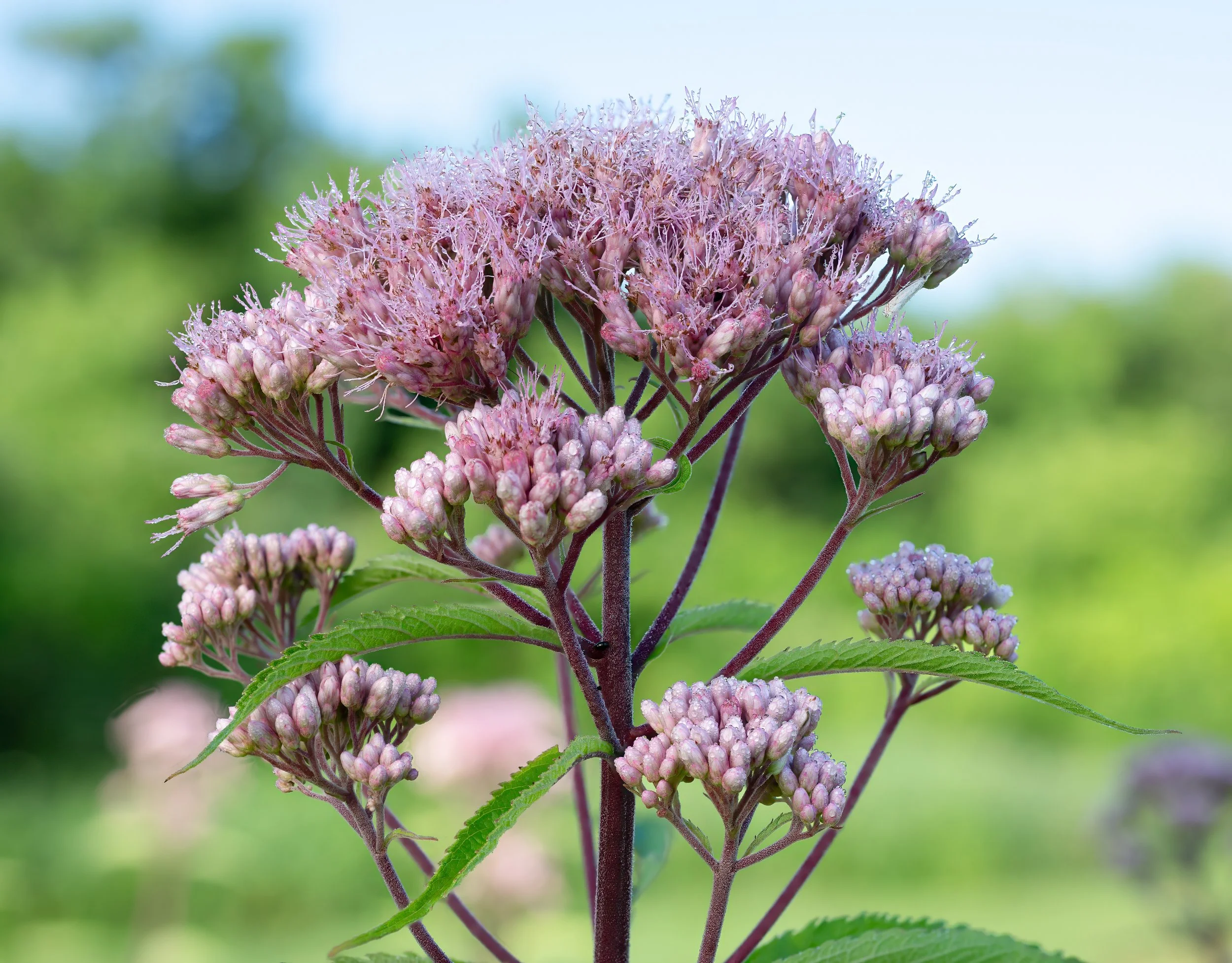
Joe-pye Weed
Joe-pye weed is a tall, late-blooming annual in the composite (Asteraceae) family. It thrives in moist, sunny, open areas—especially fens, meadows, marshes, wet fields, and drainages—where it towers over most other annuals, reaching heights of up to 7 feet.
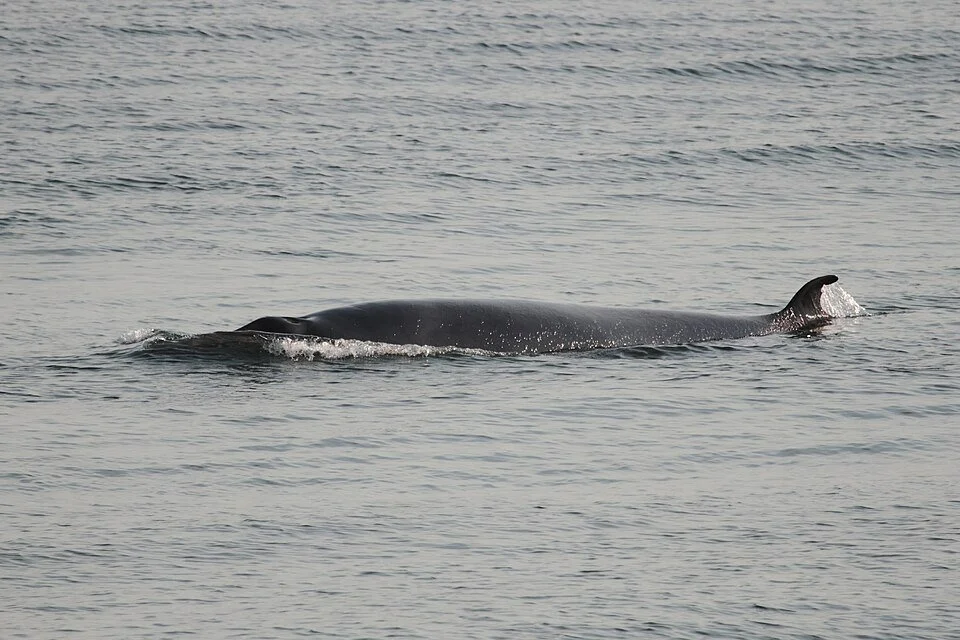
Minke Whale
The Minke, a small Baleen whale, is an apex predator who plays a critical role in marine ecosystems. The scientific name signifies “Winged whale with a sharp snout.”
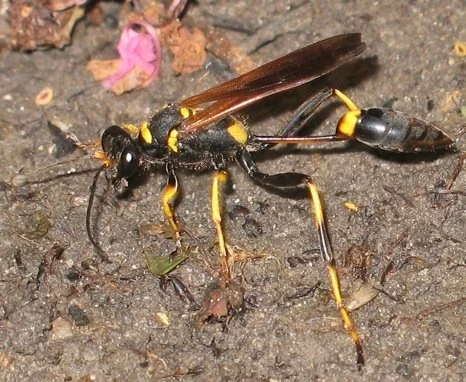
Mud Dauber
Mud dauber wasps are a set of wasp species from several families that share similar body shape, nest shape, and behavior.
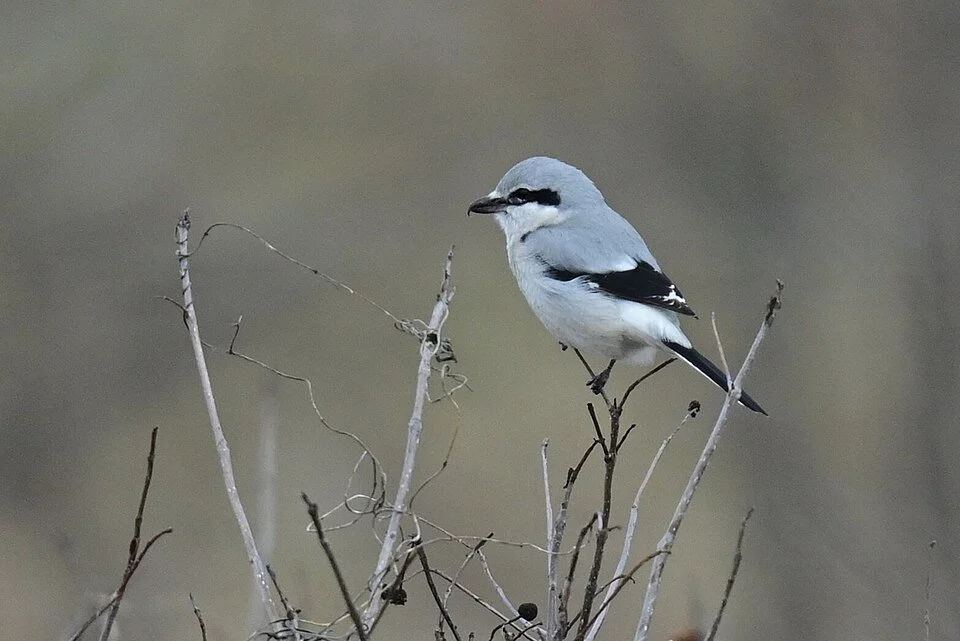
Northern Shrike
An adorable and fluff-breasted small songbird with a distinctive black mask and a call that features both a short kind whistle and a rattle, like the roll of the dice, the northern shrike is breeds in the tundra of North America and Siberia.
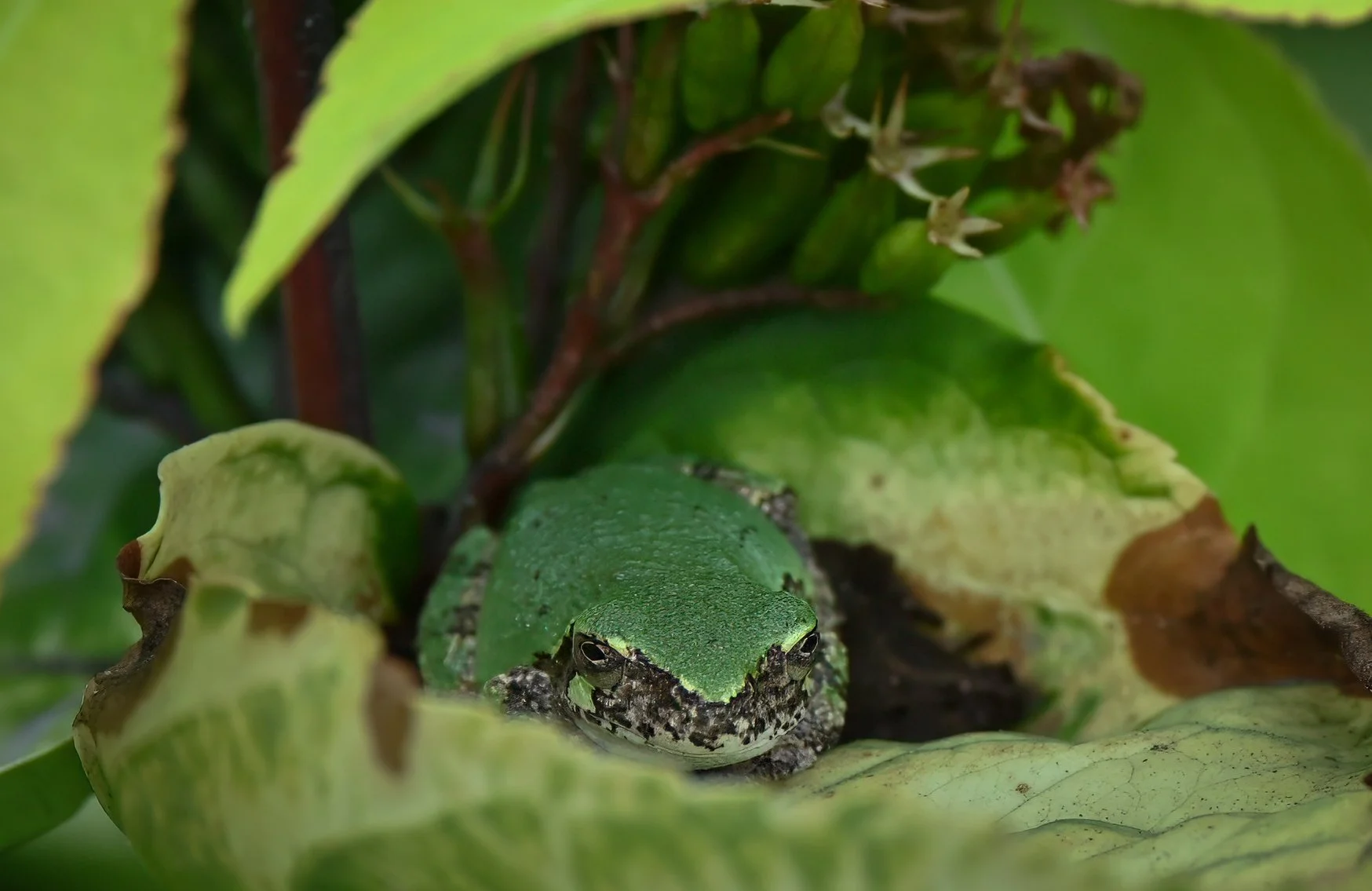
Gray Treefrog
Gray treefrogs are actually often a combination of gray, brown, and green, which helps them blend in where they live in trees or shrubs or fallen logs near water.
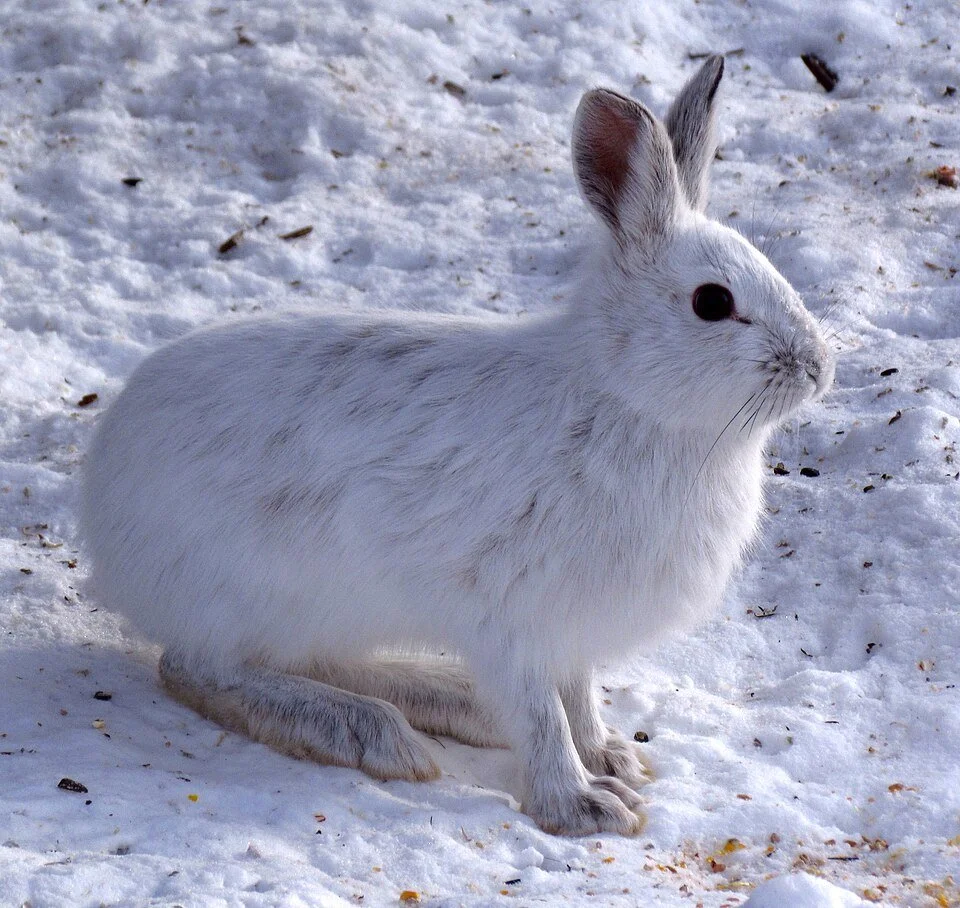
Snowshoe hares
Snowshoe hares live in the coniferous and boreal forests of the Rocky Mountains, the Appalachian Mountains, the Pacific Northwest, New England, Alaska, Minnesota, Michigan, and Montana.
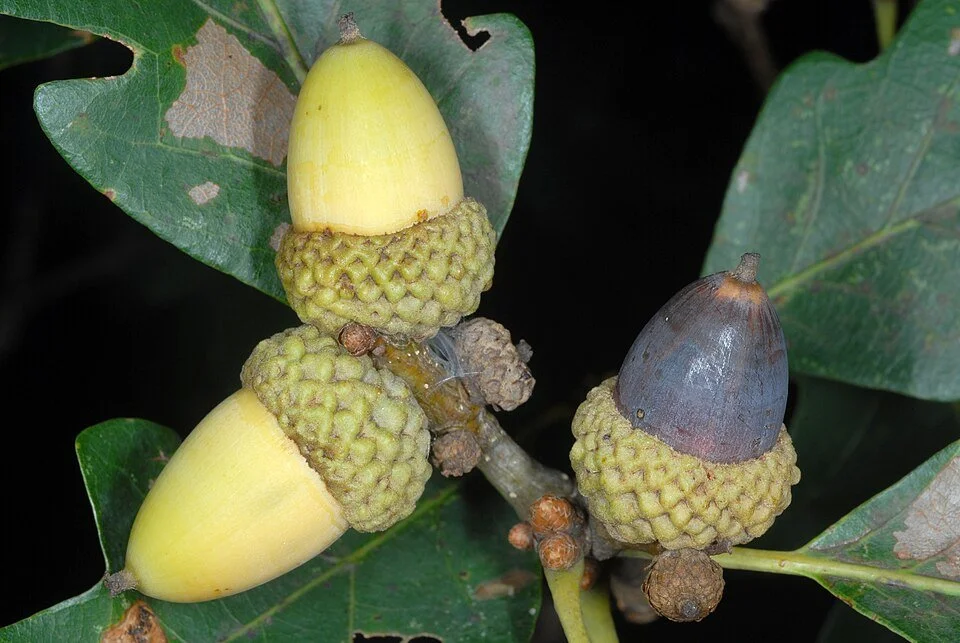
White Oak
The storied white oak grows primarily in the eastern United States and into Canada. The name derives from the light-colored bark and the underside of the leaves.
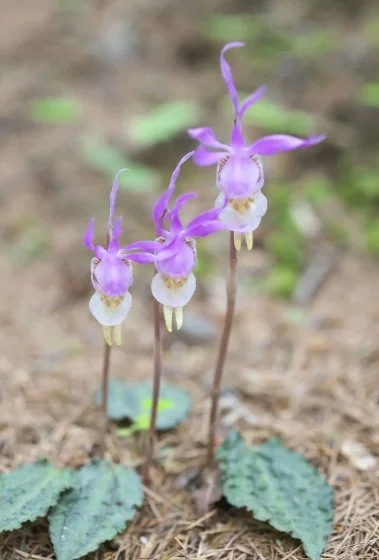
Eastern Fairy Slipper Orchid
Fairy-slipper is a rare orchid in New England, being found only in northern white-cedar-dominated swamps in Maine, New Hampshire, and Vermont.
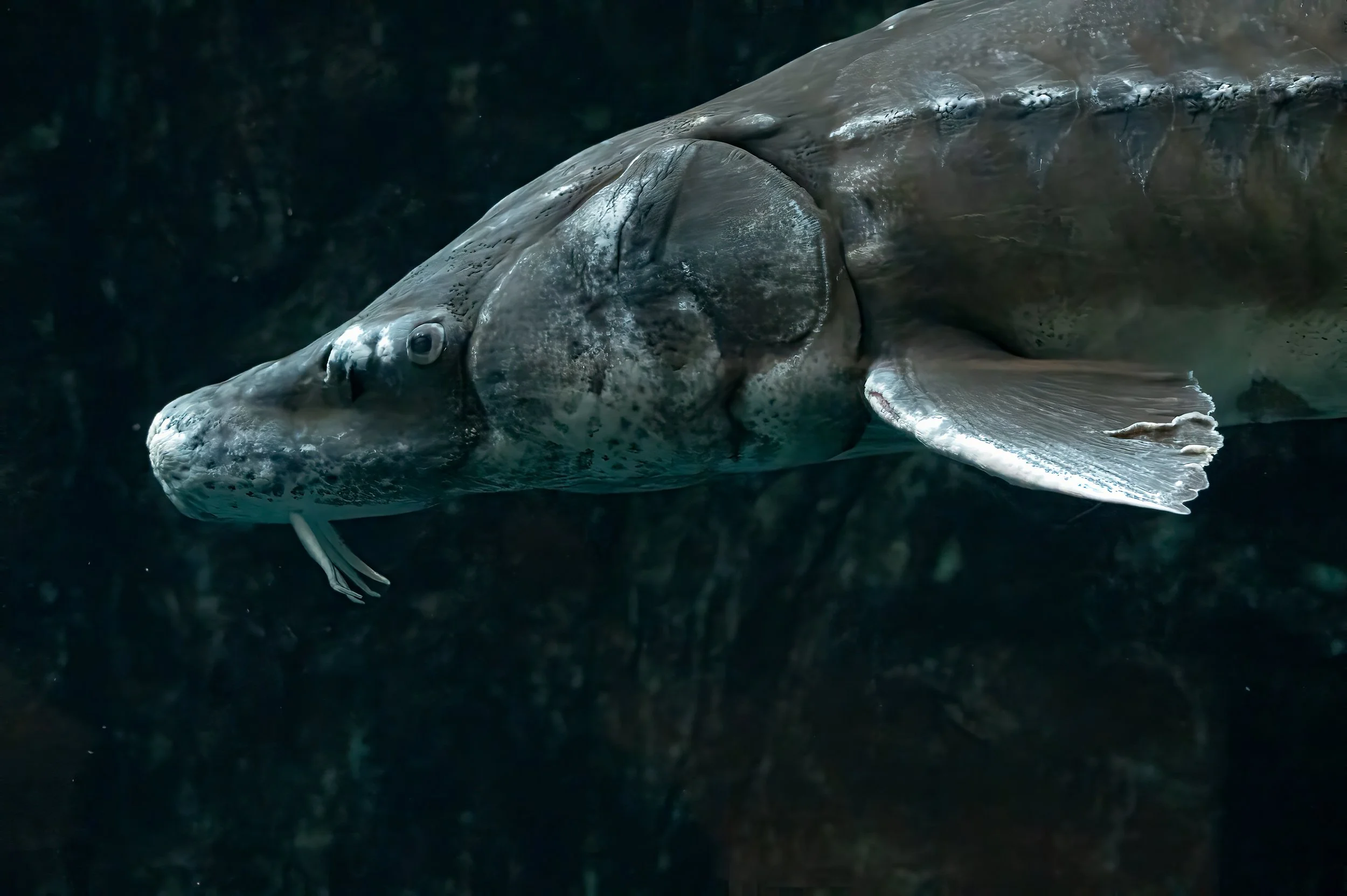
Shortnose Sturgeon
Shortnose Sturgeon (Acipenser brevirostrum), one of the smallest sturgeons at 4 feet long, is found in saltwater estuaries and freshwater rivers from Canada to Florida.
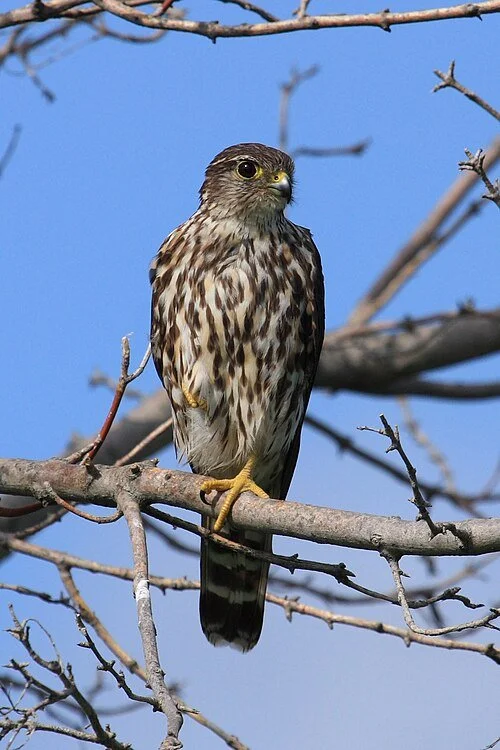
Merlin
The Merlin is a small, powerful falcon, with long pointed wings, who is also a recycler: Merlins do not build their own nests, but instead repurpose the abandoned stick nests of crows and hawks.
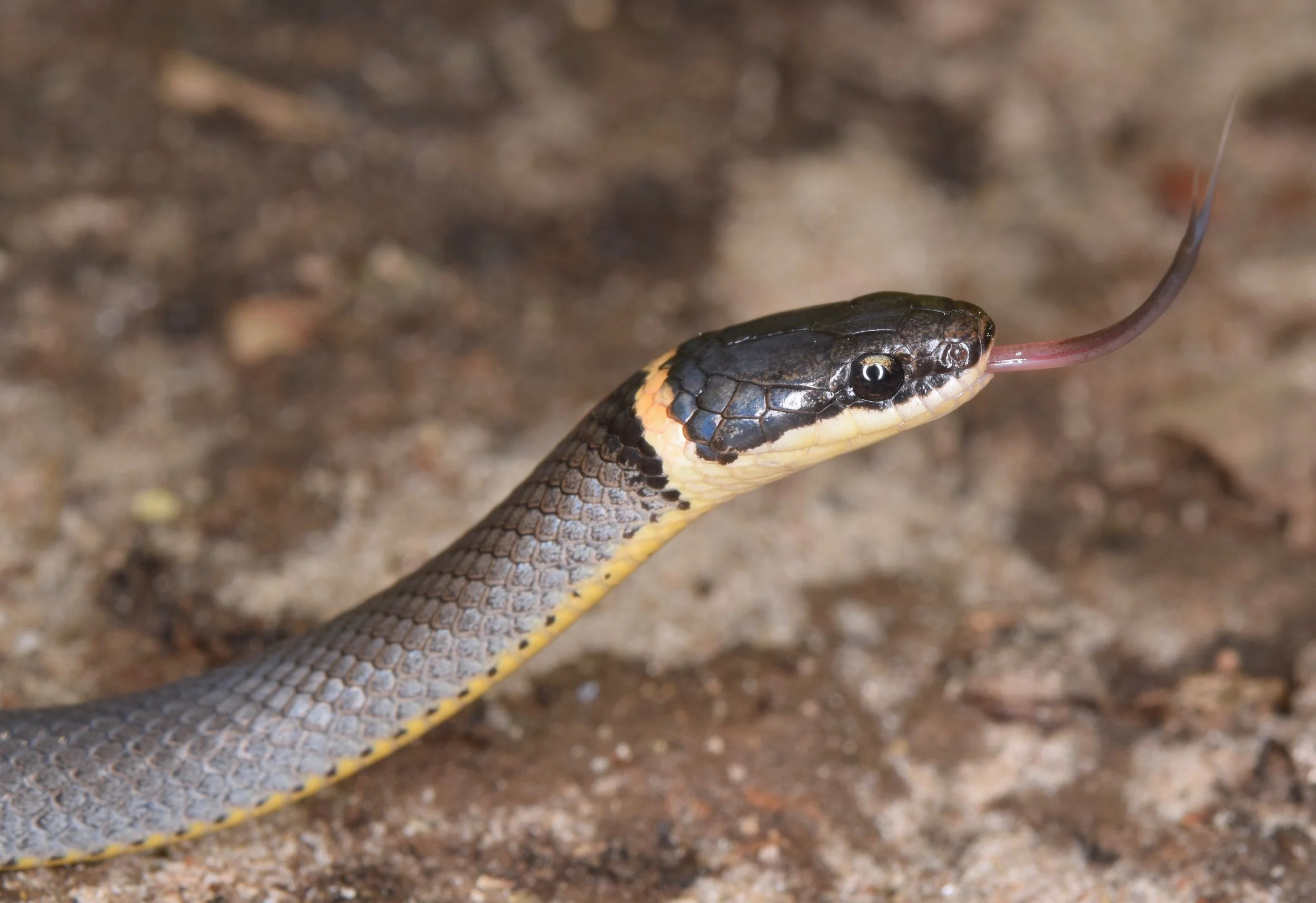
Northern Ringnecked Snake
The Northern Ringnecked snake is a small, dark blue-black that is sometimes opalescent.
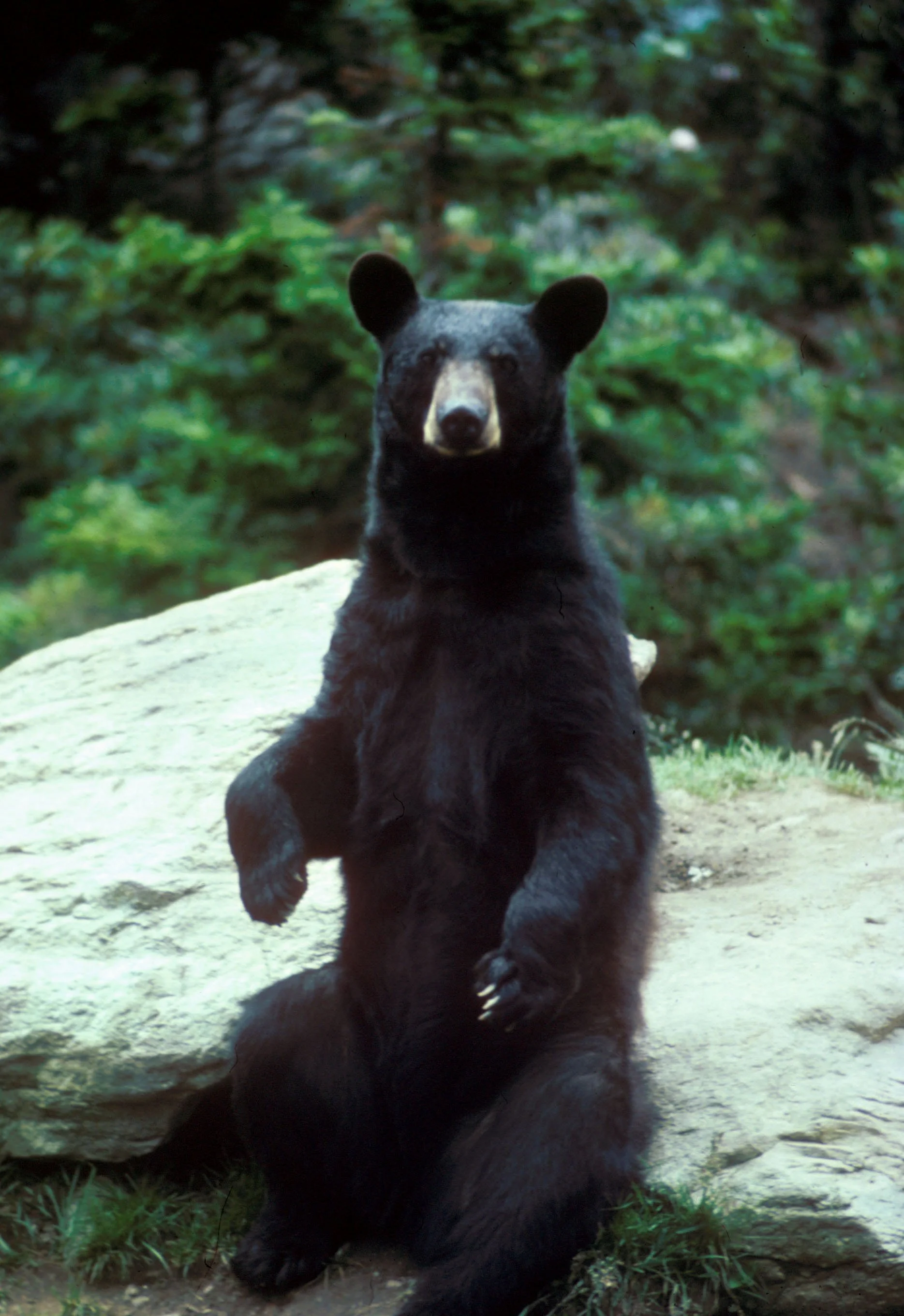
Black Bear
The black bear is the second largest wild animal in New England. At full size, it weighs hundreds of pounds but can move fast.
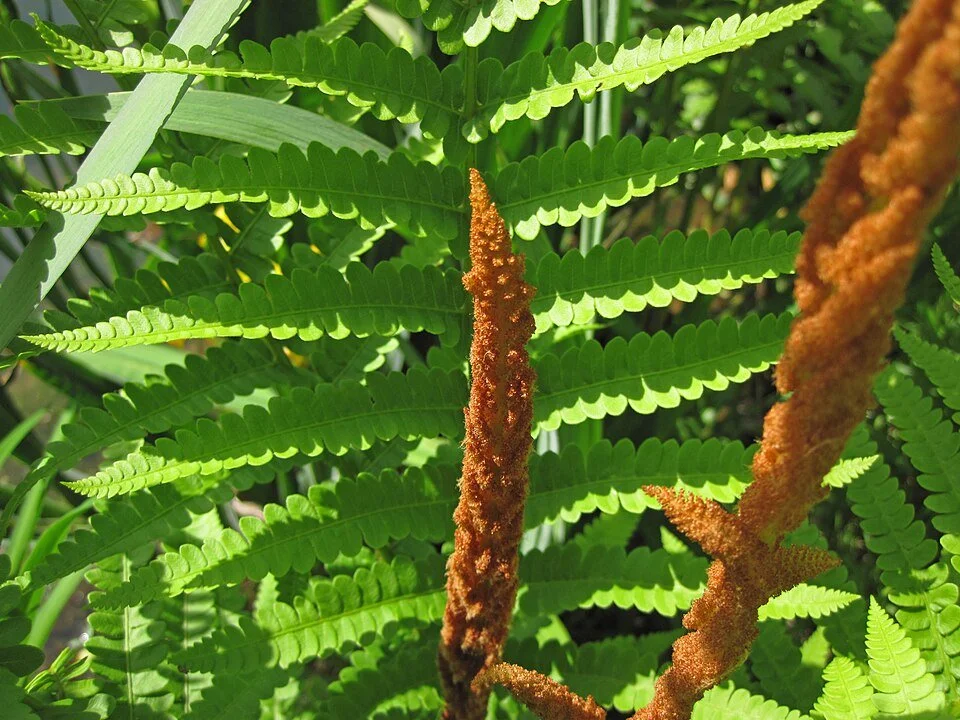
Cinnamon Fern
Cinnamon ferns are a commonly found fern growing across New England along streambanks and in wetlands and can be found in the fossil records dating to the Late Cretaceous (73 million years ago)